TIMELY ANSWERS. INFORMED CARE.
When your pet is sick, injured, preparing for surgery, or undergoing a routine wellness examination, laboratory testing can provide important information about what is happening inside the body.
Loving Care Veterinary Hospital offers convenient in-house laboratory testing for dogs and cats, allowing our veterinary team to evaluate many common health concerns quickly and make timely, informed recommendations for your pet’s care.

Animals cannot tell us exactly where they hurt or how they feel. Changes in blood cells, organ function, hydration, blood sugar, urine, or other internal indicators may reveal health concerns that cannot be identified through a physical examination alone.
Our in-house laboratory gives our veterinary team access to valuable diagnostic information without always having to wait for samples to be processed at an outside facility.
Depending on the test being performed, results may be available during your pet’s visit or later the same day. This can be especially helpful when evaluating a sick pet, monitoring an ongoing condition, or determining whether it is safe to proceed with anesthesia or surgery.
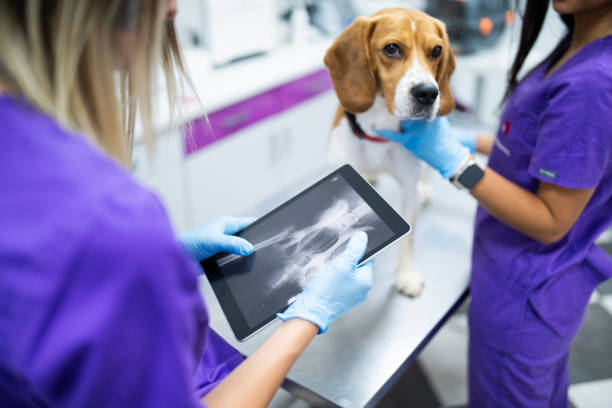
Test results are considered together with your pet’s symptoms, medical history, physical examination, age, medications, and other diagnostic findings. Laboratory results are not interpreted in isolation.
Laboratory testing may be recommended to assess your pet’s general health, investigate symptoms, monitor a medical condition, or establish a healthy baseline for future comparison.
Depending on your pet’s needs and the tests available, our veterinary team may use laboratory testing to evaluate:
A complete blood count, commonly called a CBC, helps evaluate red blood cells, white blood cells, and platelets.
This information may help identify concerns involving:

Blood chemistry testing provides information about how your pet’s internal organs and body systems are functioning.
Testing may help assess:
A urinalysis can provide valuable information about the urinary system and may also reveal signs of broader health problems.
Urine testing may help evaluate:
Fecal testing may be used to look for evidence of intestinal parasites that can affect puppies, kittens, adult pets, and senior animals.
Regular screening is important because some infected pets may not show obvious symptoms.
Depending on your pet’s age, lifestyle, travel history, symptoms, and preventive care needs, testing may be recommended for certain infectious diseases.
These can include screening tests commonly used for:
Bloodwork may be recommended before surgery, dental procedures, or other treatments requiring anesthesia.
Pre-anesthetic testing helps us evaluate your pet’s overall health and may identify concerns that could affect the anesthesia or treatment plan.
Our veterinarians may recommend laboratory testing as part of preventive care or when a pet is experiencing symptoms that require further investigation.
Testing may be helpful when your pet experiences:
Laboratory testing may also be recommended when your pet appears healthy, particularly during preventive wellness visits, senior pet examinations, or before anesthesia.
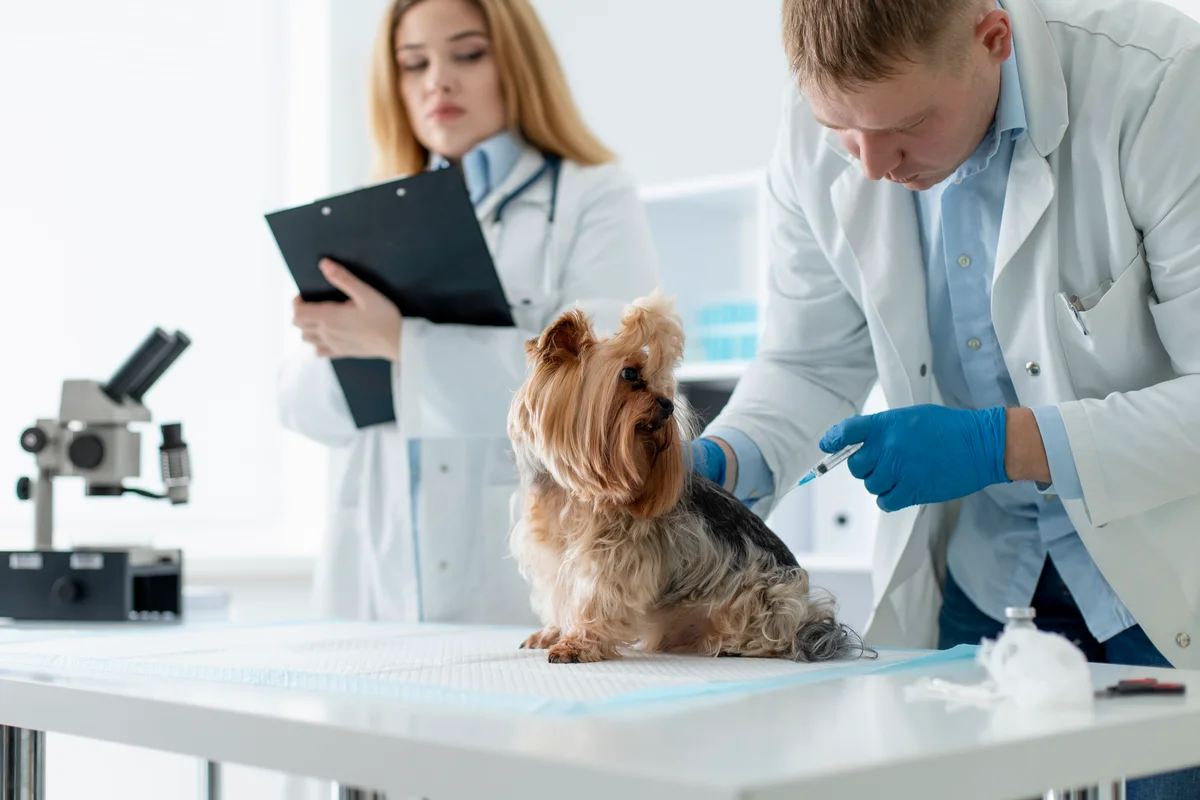
Laboratory testing is not only for animals that are visibly sick.
Dogs and cats often compensate for illness and may continue behaving normally during the early stages of a medical condition. Routine screening can sometimes reveal subtle changes before more noticeable symptoms develop.
Establishing baseline laboratory values while your pet is healthy also gives our veterinary team something meaningful to compare against if your pet becomes sick later.
Preventive testing may be especially valuable for:
The type and frequency of testing will depend on your pet’s age, breed, lifestyle, health history, and individual risk factors.

As pets age, their risk of developing kidney disease, liver disease, diabetes, thyroid disorders, anemia, and other medical conditions may increase.
Because early changes are not always visible at home, blood and urine testing can play an important role in senior pet care.
Regular laboratory screening may help our veterinary team:
Senior pet testing is most useful when results are reviewed over time rather than treated as a single snapshot.
The tests recommended for your pet will depend on the reason for the visit.
Our veterinary team will begin by reviewing your pet’s symptoms, medical history, medications, diet, recent changes, and any concerns you have noticed at home. A physical examination may also be performed before samples are collected.
Depending on the tests needed, we may collect:
Most routine sample collections are completed quickly. Our team will make every effort to keep your pet comfortable and minimize stress throughout the process.
Once results are available, our veterinarian will explain what they mean and discuss any appropriate next steps. Recommendations may include monitoring, medication, additional diagnostics, dietary changes, follow-up testing, or treatment.
Specialized or confirmatory tests that cannot be completed in our hospital may be submitted to an outside reference laboratory.
Laboratory testing provides valuable information, but it is often one part of a broader diagnostic process.
Depending on your pet’s symptoms and results, our veterinarians may also recommend:
By combining examination findings, laboratory results, diagnostic imaging, and your observations from home, we can develop a more complete understanding of your pet’s condition.
Our in-house laboratory allows us to perform many commonly recommended tests within the hospital, helping reduce delays when timely information matters.
We do not take a one-size-fits-all approach. Testing recommendations are based on your pet’s age, symptoms, medical history, lifestyle, and overall health.
Our veterinarians explain why testing is being recommended, what the results may indicate, and what next steps should be considered.
Our veterinary team works carefully and patiently to make the testing process as comfortable as possible for your dog or cat.
Laboratory results can be evaluated alongside digital X-rays, ultrasound findings, physical examination results, and your pet’s medical history.
Many commonly performed in-house tests may provide results during the appointment or later the same day. Timing depends on the type of test required. Specialized testing may need to be sent to an outside reference laboratory and can take longer.
Some tests may require fasting, while others do not. Our veterinary team will provide instructions before your appointment when fasting or another form of preparation is necessary.
Yes. Laboratory testing provides important information, but no single test can identify every possible condition. Results must be interpreted together with your pet’s symptoms, examination findings, history, and any additional diagnostics.
The appropriate schedule depends on your pet’s age, health, medications, and risk factors. Healthy adult pets may be screened during routine wellness care, while senior pets and animals with medical conditions may benefit from more frequent testing.
Pre-anesthetic bloodwork can help identify changes in organ function, hydration, blood cells, or other health indicators that may affect anesthesia planning or surgical care.
Our team will let you know when a sample should be brought from home and provide collection instructions. Samples should be fresh and stored as directed.
Whether your pet needs routine wellness screening, pre-surgical testing, senior bloodwork, or diagnostic testing for a new health concern, Loving Care Veterinary Hospital is here to help.
Our in-house laboratory capabilities allow us to gather important information efficiently, explain the results clearly, and recommend the next appropriate step for your dog or cat.
If your pet is experiencing severe weakness, difficulty breathing, uncontrolled bleeding, repeated vomiting, collapse, suspected poisoning, or another potentially life-threatening emergency, please call our hospital immediately. If we are unavailable, seek care from the nearest emergency veterinary facility.
Loving Care Veterinary Hospital provides in-house laboratory testing for dogs and cats in West Milford, Hewitt, Upper Greenwood Lake, Ringwood, Newfoundland, Wanaque, Highland Lakes, Vernon, Stockholm, McAfee, Oak Ridge, Greenwood Lake, Warwick, and surrounding communities throughout northern New Jersey and nearby New York.