Getting the right medication for your pet should be safe, convenient, and easy to understand. Loving Care Veterinary Hospital maintains an in-house pharmacy so many commonly prescribed medications and preventive products can be dispensed directly during your pet’s visit.
Our veterinary team helps ensure that each prescription is appropriate for your pet’s condition, weight, medical history, and current treatment plan. You can leave with clear instructions, dependable guidance, and many of the medications your pet needs—all from the team that knows your pet.


Fill many prescriptions before leaving your pet’s appointment.

Medications are selected and prescribed based on your pet’s individual needs.
Our team explains dosage, timing, storage, and potential side effects.

Contact the hospital when you have questions about your pet’s medication.

When your pet is sick, uncomfortable, or beginning a new treatment plan, making an additional trip to locate medication can add unnecessary stress. Our in-house pharmacy allows us to provide many frequently prescribed veterinary medications and preventive products directly from our hospital.
This can help your pet begin treatment sooner while giving you the opportunity to ask questions before administering the first dose.
Because the prescription comes directly from your veterinary team, we can also confirm that the medication, dosage, and instructions match the treatment plan discussed during your pet’s examination.
Our in-house veterinary pharmacy may carry medications and products used for a wide variety of health needs, including:
Medication availability may vary. Some prescriptions may need to be ordered or filled through an outside veterinary pharmacy. Our team will explain the appropriate options when a medication is not available in the hospital.

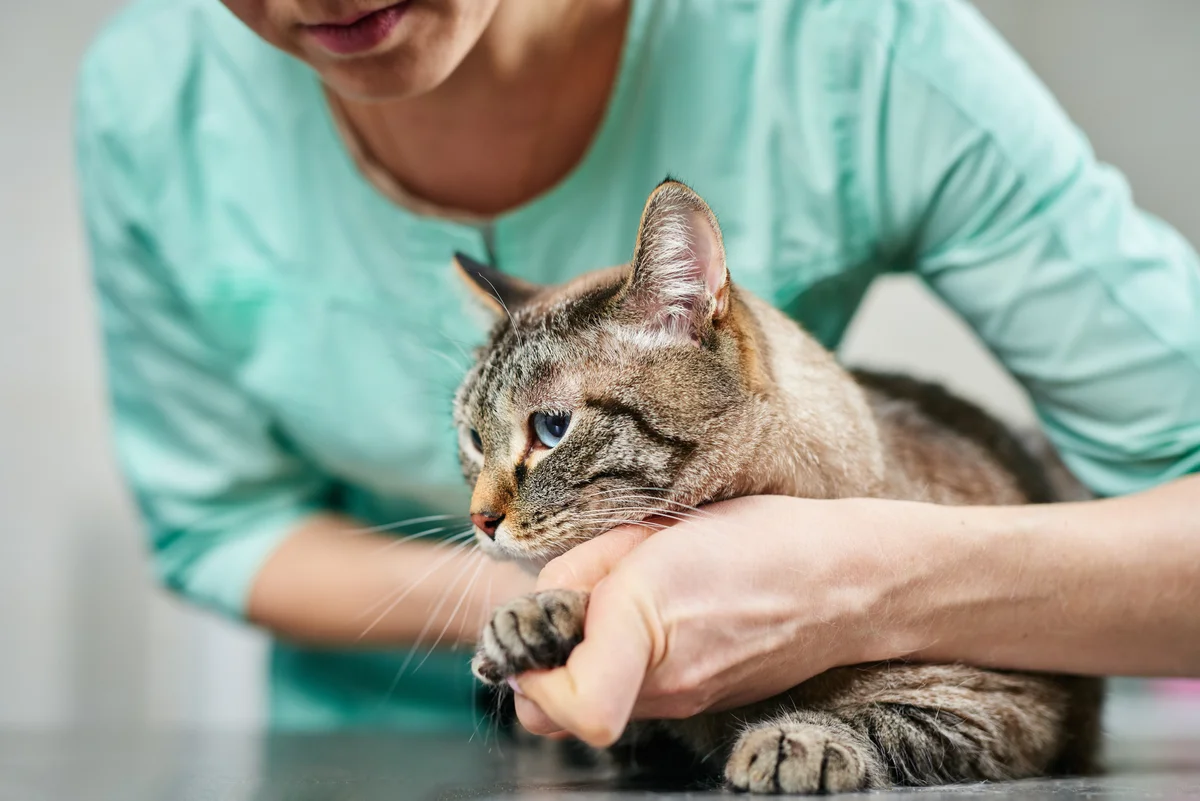
Pets do not always process medications the same way people do. Even medications that appear similar can have different ingredients, concentrations, dosing instructions, or safety considerations.
Our veterinary team considers several factors before prescribing medication, including:
Never give your dog or cat a human medication unless a veterinarian has specifically instructed you to do so. Some common household medications can be dangerous or toxic to pets.
Before you leave the hospital, our team can review:
How much medication to give
How the medication should be stored
How often it should be administered
Possible side effects to watch for
Whether it should be given with food
When your pet should be rechecked
What to do if a dose is missed


Some medications can be refilled when your pet has an active prescription and remains current on the examinations or monitoring required by the veterinarian.
Depending on the medication and your pet’s health, a refill may require:
These precautions help protect your pet and allow the veterinarian to make sure the treatment continues to be safe and effective.
Please contact us before your pet’s medication runs out. Providing the medication name, dosage, and current supply can help our team process your request efficiently.
Our pharmacy also supports your pet’s preventive care plan. Veterinarian-recommended flea, tick, heartworm, and intestinal parasite preventives can help protect dogs and cats from illnesses that may cause discomfort, long-term health complications, or serious disease.
The right preventive product may depend on your pet’s age, weight, lifestyle, health history, travel habits, and potential exposure risks.
Our team can help you choose an appropriate preventive schedule and explain how often each product should be administered.
Pets living with chronic medical conditions may need medication for an extended period. These conditions can include thyroid disease, arthritis, allergies, heart disease, seizure disorders, gastrointestinal problems, and other ongoing health concerns.
Regular veterinary monitoring is an important part of long-term medication management. Your veterinarian may recommend examinations, laboratory testing, dosage adjustments, or other follow-up care based on your pet’s response.
Our in-house laboratory can help support timely monitoring for many patients receiving ongoing treatment.
The veterinarian examines your pet, reviews symptoms and medical history, and determines whether medication is appropriate.
The medication and dosage are selected based on your pet’s diagnosis, weight, health, and individual needs.
Our team explains how and when to give the medication and answers your questions.
Administer the medication exactly as directed and monitor your pet for improvement or unexpected reactions.
A recheck examination, laboratory testing, or continued monitoring may be recommended.
Administering medication can sometimes be challenging, especially when a pet is nervous, uncomfortable, or resistant to pills.
Helpful approaches may include:
If you are having difficulty medicating your pet, please call us. Our team may be able to demonstrate a safer technique or discuss other veterinarian-approved options.
Most medications are well tolerated when administered correctly, but reactions can occur. Contact Loving Care Veterinary Hospital if you notice a concerning change after starting a medication.
Potential warning signs may include:
Severe breathing difficulty, collapse, seizures, or rapidly worsening symptoms may require immediate emergency care.
Your pet’s pharmacy should be more than a place to pick up medication. It should be part of a coordinated veterinary care plan.
At Loving Care Veterinary Hospital, your pet’s prescriptions are supported by:
Our goal is to make your pet’s treatment plan easier to understand, easier to follow, and as safe and effective as possible.
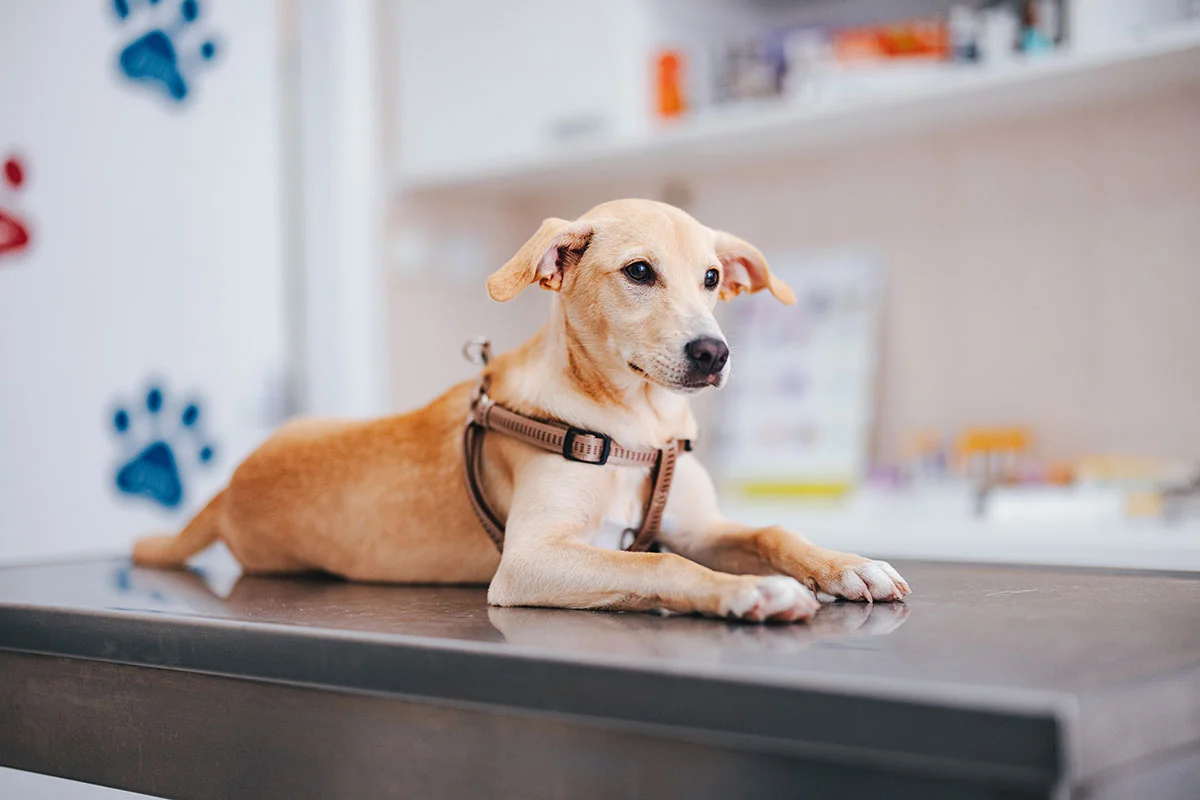
Many commonly prescribed medications and preventive products can be dispensed directly from our hospital. Availability varies depending on the medication.
Call Loving Care Veterinary Hospital with your pet’s name, the medication name, dosage, and how much medication remains. Some refill requests may require veterinary approval, an examination, or updated testing.
Veterinarians must make sure that the medication remains appropriate and safe for your pet. An examination or diagnostic testing may be needed to evaluate your pet’s condition, monitor organ function, confirm the correct dosage, or check for side effects.
Some pet prescriptions may be filled through a human pharmacy when directed by the veterinarian. However, not every pharmacy stocks veterinary medications or pet-appropriate formulations. Follow the veterinarian’s instructions carefully.
Do not give your pet a human medication unless a veterinarian has specifically approved the product and dosage. Some medications commonly used by people can be toxic to dogs or cats.
Call us for instructions. The correct response can vary depending on the medication. Do not automatically double the next dose.
Stop and contact the hospital for guidance unless the veterinarian has previously given different instructions. Severe symptoms such as breathing difficulty, collapse, seizures, or facial swelling may require immediate emergency care.
We offer veterinarian-recommended preventive options for fleas, ticks, heartworms, and intestinal parasites based on product availability and your pet’s individual needs.
When your pet needs medication, you deserve clear answers and dependable support. Loving Care Veterinary Hospital provides convenient access to many commonly prescribed pet medications and preventive products while helping you understand how to use them safely.
Whether your pet needs short-term treatment, year-round parasite prevention, or medication for an ongoing health condition, our veterinary team is here to help.
Loving Care Veterinary Hospital provides in-house veterinary pharmacy services in West Milford, Hewitt, Upper Greenwood Lake, Ringwood, Newfoundland, Wanaque, Highland Lakes, Vernon, Stockholm, McAfee, Oak Ridge, Greenwood Lake, Warwick, and surrounding communities throughout northern New Jersey and nearby New York.