Spaying or neutering your pet is an important healthcare decision that can help prevent unwanted litters while supporting your dog’s or cat’s long-term health and well-being.
At Loving Care Veterinary Hospital, we provide compassionate spay and neuter surgery for dogs and cats in West Milford, New Jersey. Dr. Kristie Steele and our veterinary team will help you understand the procedure, determine an appropriate time for your pet’s surgery, and prepare you for every stage of the process.
There is no single age that is right for every pet—particularly for dogs. Your pet’s species, breed, sex, projected adult size, medical history, lifestyle, and individual health risks may all influence the recommended timing. We take the time to consider the whole pet before making a recommendation.

Spaying and neutering are commonly performed veterinary procedures, but the benefits extend beyond preventing pregnancy.
Depending on your pet’s sex, age, and health, spaying or neutering may:
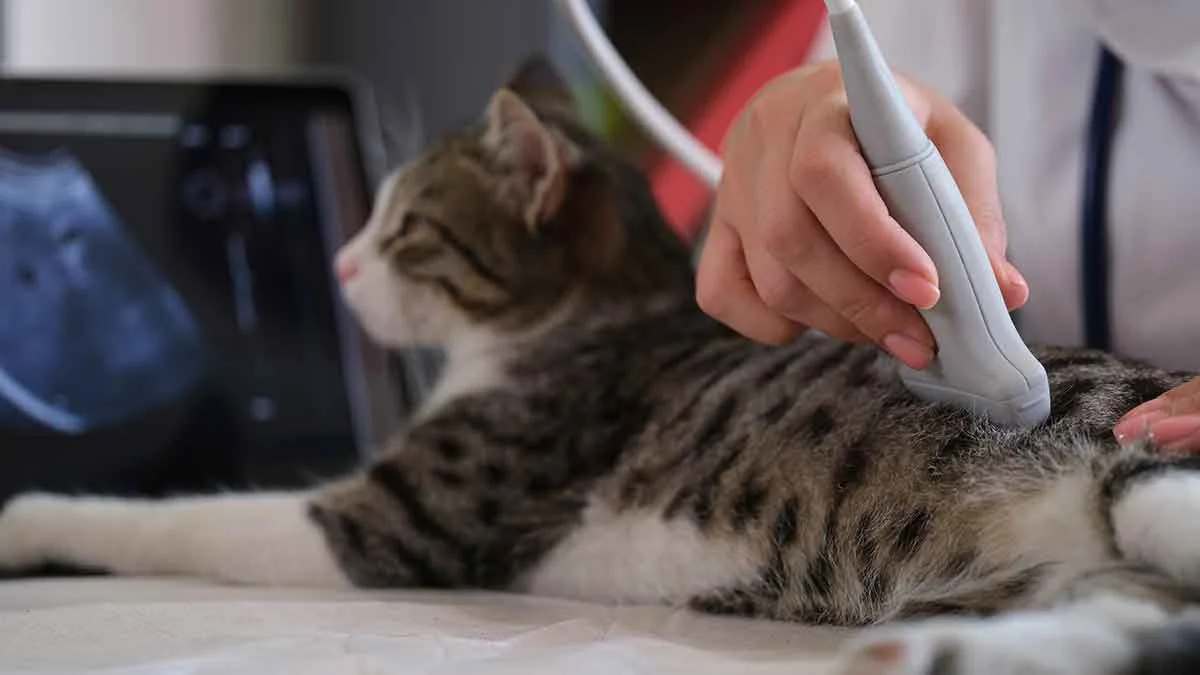

Spaying is a surgical procedure performed on a female dog or cat to prevent reproduction. It also prevents heat cycles and protects against certain diseases involving the reproductive system.
Neutering is a surgical procedure performed on a male dog or cat to prevent reproduction. The procedure eliminates the risk of testicular cancer and may help reduce certain mating-related behaviors.
Although people sometimes use “neutering” to describe sterilization for both sexes, the term is most commonly used when referring to male pets.
The right time to spay or neuter should be based on your pet as an individual.
For dogs, current veterinary guidance recognizes that breed, projected adult weight, growth, sex, lifestyle, and certain health risks can affect the recommended timing. A schedule that may be appropriate for a small-breed puppy may not be the best choice for a large- or giant-breed dog.
Cats can become reproductively active at a surprisingly young age. Veterinary organizations commonly support spaying or neutering cats not intended for breeding by approximately five months of age, provided the individual kitten is healthy and the veterinarian determines that surgery is appropriate.
Dr. Steele will evaluate your pet and help you consider:
Our goal is not simply to select a date. It is to recommend a thoughtful plan based on your pet’s individual needs.
You may be ready to speak with our veterinary team if:
A wellness examination allows us to evaluate your pet and discuss the benefits, potential risks, timing, preparation, and recovery process.
Before scheduling surgery, our veterinary team will review your pet’s medical history and perform an examination to help determine whether your pet appears healthy enough for the procedure.
Depending on your pet’s age and medical needs, Dr. Steele may recommend pre-anesthetic laboratory testing. Bloodwork can provide valuable information about organ function, blood cells, hydration, and other factors that may influence the anesthetic or surgical plan.
Loving Care Veterinary Hospital has an on-site laboratory that helps our team obtain important diagnostic information efficiently when testing is recommended.
We will also provide clear instructions regarding:
When your pet arrives, our team will review the surgical plan and make sure you understand how we will communicate with you during the day.
Your pet’s care may include:
We understand that leaving a beloved pet for surgery can be stressful. Our team treats each patient with patience, gentleness, and the attentive care we would want for our own pets.
Your pet may be tired or quieter than usual after returning home. The exact recovery process will depend on the procedure, your pet’s age and health, and the instructions provided by our veterinary team.
Your home-care directions may include:
Call Loving Care Veterinary Hospital if you notice concerning swelling, bleeding, discharge, an opening of the incision, repeated vomiting, breathing difficulty, extreme weakness, uncontrolled pain, or any other unexpected change.
Always follow the discharge instructions prepared for your individual pet.
At Loving Care Veterinary Hospital, surgery is never treated as an impersonal or routine transaction.
Dr. Kristie Steele and our veterinary team take time to evaluate each pet, explain our recommendations, answer questions, and help families feel comfortable with the care their pets receive.
Our hospital combines personalized attention with helpful diagnostic and medical capabilities, including:
We want you to understand what is being recommended, why it matters, and what you can do to help your pet recover comfortably.
We do not assume that one spay or neuter schedule is appropriate for every dog or cat. We consider your pet’s breed, age, size, health, development, lifestyle, and individual needs.

Your pet receives care from a local veterinary team committed to building lasting relationships with pets and the people who love them.
Our on-site laboratory and modern diagnostic technology help support informed veterinary care before, during, and after surgical procedures.
We explain how to prepare, what to expect, how to care for your pet at home, and when to contact us with a concern.
Spay and neuter surgery is one part of your pet’s lifelong preventive healthcare. Our team can also help with wellness examinations, vaccinations, parasite prevention, nutrition, dental care, diagnostic screening, and age-appropriate health planning.
Spaying or neutering is not expected to erase your pet’s individual personality. Some hormone-driven behaviors—such as roaming, urine marking, mounting, or seeking a mate—may decrease, but behavioral results vary. Surgery does not replace appropriate training, exercise, socialization, and behavioral care.
No. The appropriate timing may vary considerably, especially among different sizes and breeds of dogs. Large- and giant-breed dogs may have different developmental considerations than smaller dogs. Dr. Steele will help you evaluate the potential benefits and risks for your individual pet.
Veterinary organizations commonly support spaying or neutering cats not intended for breeding by approximately five months of age. However, your veterinarian should evaluate your kitten’s health and determine the appropriate timing. Cats may become reproductively active as early as four to five months, sometimes without obvious physical signs.
Many healthy adult dogs and cats can undergo spay or neuter surgery. The veterinarian may recommend additional evaluation or laboratory testing based on the pet’s age, health, and medical history.
No anesthetic procedure is completely without risk. A pre-surgical examination, appropriate testing, an individualized anesthetic plan, monitoring, and attentive recovery care help the veterinary team identify and manage potential concerns.
Recovery varies by pet and by procedure. Your pet will need a period of reduced activity, incision protection, and close observation. We will provide instructions tailored to your pet and let you know when normal activity can safely resume.
Prevent your pet from licking or chewing the surgical site. Use the protective collar or garment recommended by our veterinary team, and call us if the incision appears irritated, swollen, open, or damaged.
Spaying or neutering is an important decision, and you deserve clear, personalized guidance before moving forward.
Contact Loving Care Veterinary Hospital to schedule an examination or discuss the appropriate timing for your puppy, kitten, adult dog, or adult cat. Dr. Kristie Steele and our team will help you make an informed decision based on your pet’s health, development, breed, lifestyle, and individual needs.
Loving Care Veterinary Hospital provides compassionate spay and neuter care for pets from West Milford, Hewitt, Ringwood, Wanaque, Newfoundland, Oak Ridge, Butler, Greenwood Lake, and surrounding New Jersey communities.