When your pet is experiencing pain, inflammation, stiffness, or an injury, laser therapy may provide a gentle way to support greater comfort and healing.
Loving Care Veterinary Hospital offers therapeutic laser treatments for dogs and cats in West Milford, New Jersey. This non-invasive treatment may be used independently or as part of a broader care plan to help manage pain, reduce inflammation, support tissue repair, and improve mobility.
Every pet is different. Our veterinary team will evaluate your pet’s condition and determine whether laser therapy may be an appropriate addition to their treatment or recovery plan.

Veterinary laser therapy—also known as photobiomodulation—uses focused wavelengths of light directed toward an affected area of the body.
The light energy interacts with the tissues and may help stimulate cellular activity, increase local circulation, reduce inflammation, relieve discomfort, and support the body’s natural healing processes.
Unlike a surgical laser, therapeutic laser treatment does not cut or remove tissue. It is a non-invasive treatment that most pets tolerate comfortably.
Laser therapy may be recommended to support:
Laser therapy is often most effective as part of a thoughtful, multimodal treatment plan. Depending on your pet’s needs, it may be combined with medication, weight management, activity modification, rehabilitation, nutritional support, or other veterinary care.
Therapeutic laser treatments may be considered for dogs and cats experiencing a variety of acute or chronic conditions, including:
Not every condition should be treated with laser therapy. A veterinarian should first examine your pet, identify the cause of their discomfort, and determine the most appropriate course of care.
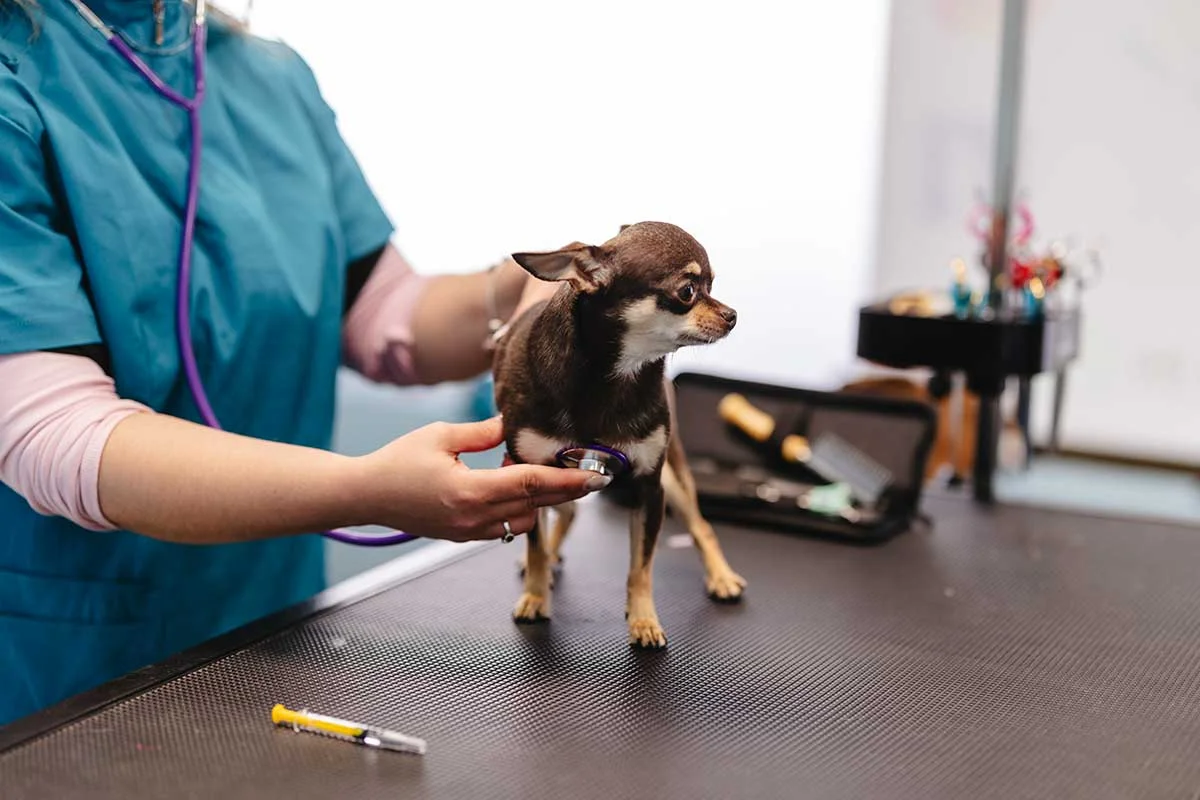
Dogs and cats cannot always tell us when something hurts. Changes in movement, activity, or behavior may be your first indication that your pet is uncomfortable.
Contact our veterinary team when you notice:
Some pet owners assume these changes are simply part of aging. However, changes in mobility or behavior may indicate arthritis, injury, or another painful condition that deserves veterinary attention.
Senior pets commonly experience arthritis, joint stiffness, muscle loss, and other conditions that can affect their comfort and mobility.
Laser therapy may be incorporated into a senior pet’s pain-management plan to help reduce discomfort and support movement. It may be especially valuable as one component of a broader strategy that considers your pet’s health, medications, weight, activity level, home environment, and quality of life.
Our goal is not simply to help pets live longer. We want to help them remain comfortable, engaged, and able to enjoy the people and activities they love.
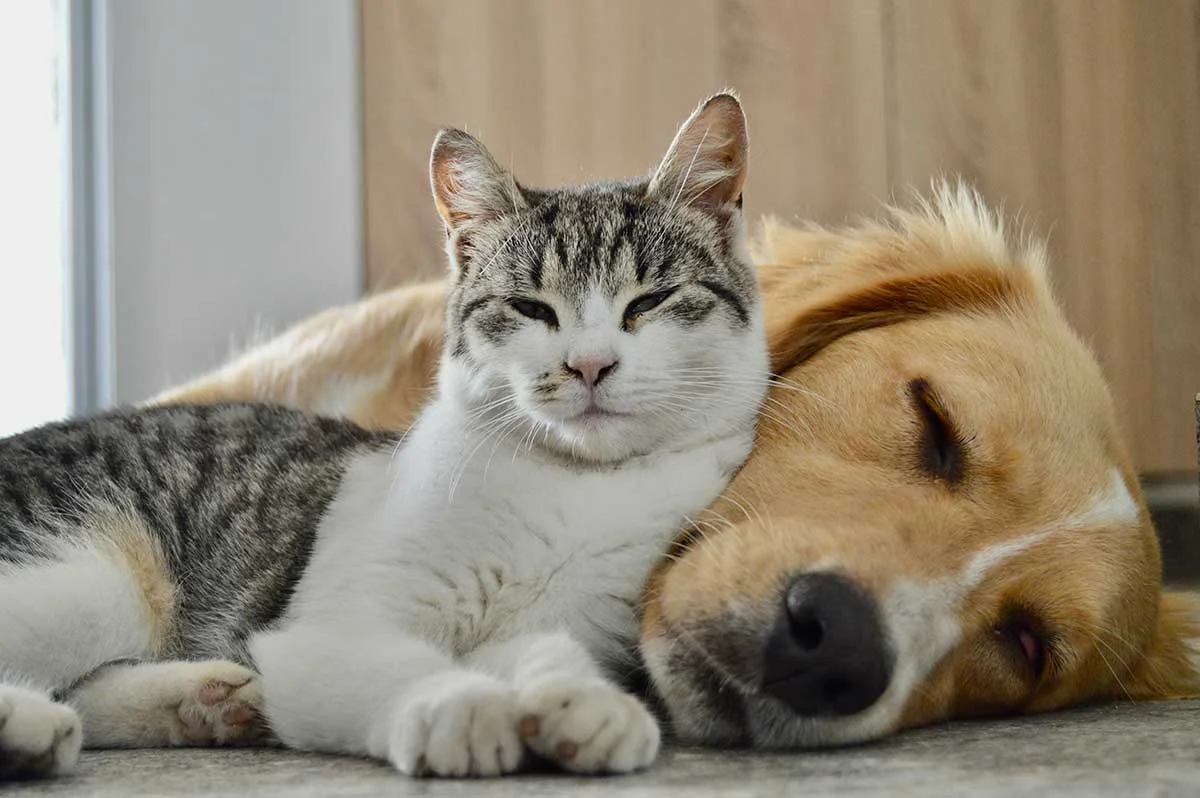

Laser therapy may also be recommended during recovery from certain surgeries, wounds, or injuries.
Depending on the procedure and your pet’s individual condition, treatment may help manage localized inflammation and discomfort while supporting tissue repair. Laser therapy does not replace proper surgical aftercare, medication, activity restrictions, bandage care, or follow-up examinations.
Our team will provide clear instructions for your pet’s complete recovery plan and explain how laser therapy fits into that care.
Before recommending laser therapy, our veterinary team will evaluate your pet and identify the area requiring treatment.
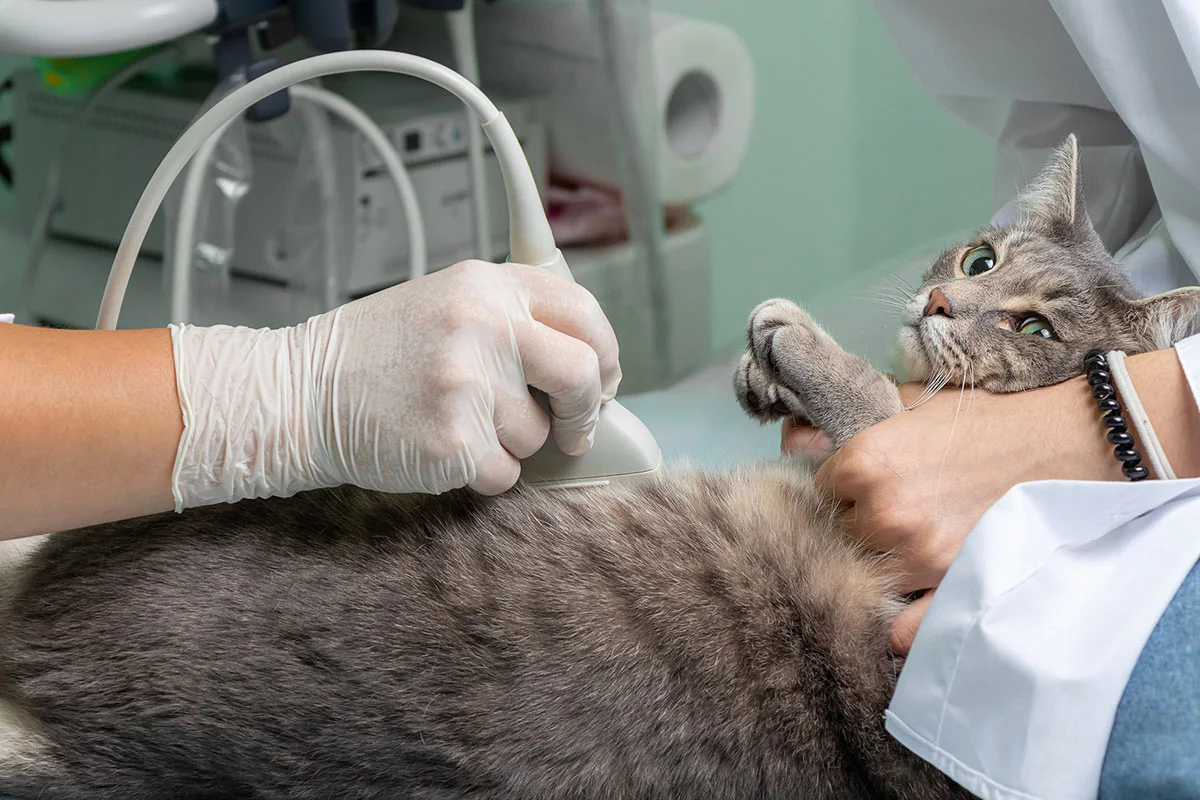
During a typical session, a handheld treatment device is moved over or near the affected area. Your pet may feel a gentle warming sensation, and many animals remain calm and relaxed throughout the treatment.
Treatment time depends on several factors, including:
Laser therapy appointments are generally straightforward and do not involve an incision or recovery period.
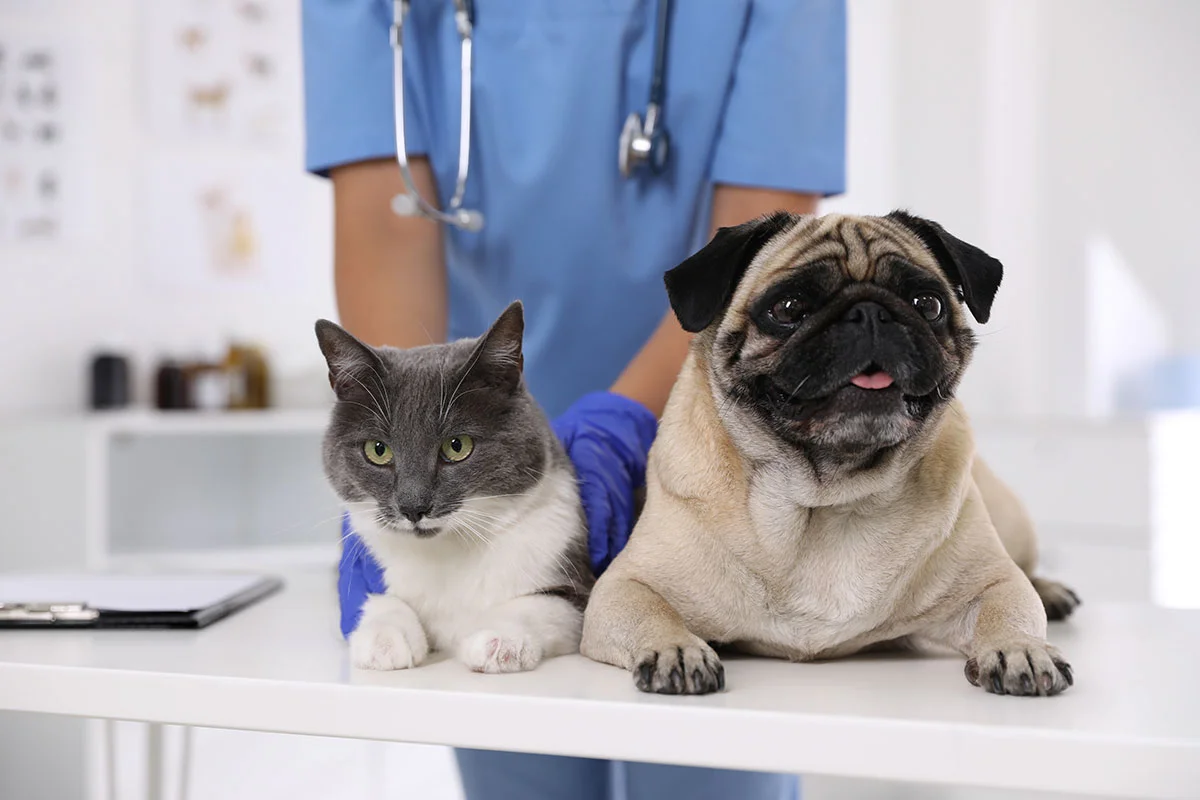
The number and frequency of treatments will depend on your pet’s diagnosis and response to therapy.
A recent injury or surgical incision may require a different schedule than a chronic condition such as arthritis. Some pets may receive treatments more frequently at the beginning of care, followed by less frequent maintenance sessions.
We will develop an individualized recommendation and monitor your pet’s comfort, mobility, and progress along the way.
Laser therapy can be a valuable treatment option, but it is not appropriate for every pet or every medical condition.
Treatment should only be performed after a veterinary evaluation and with the correct equipment, settings, and safety precautions. Certain areas and health conditions require special consideration or should not be treated.
Our veterinary team will review your pet’s medical history, examine the affected area, and explain the potential benefits and limitations before beginning therapy.
At Loving Care Veterinary Hospital, technology is never used simply because it is available. We use it when we believe it can meaningfully contribute to your pet’s comfort, recovery, or quality of life.
Pet families choose our hospital for:
We take the time to understand what your pet is experiencing, discuss the available options, and help you make informed decisions about their care.

Pain, stiffness, and reduced mobility can affect nearly every part of your pet’s life. Early evaluation allows us to identify the source of the problem and determine whether laser therapy or another form of treatment may help.
Contact Loving Care Veterinary Hospital to schedule an examination and learn whether therapeutic laser treatment may be appropriate for your dog or cat.
Loving Care Veterinary Hospital provides veterinary laser therapy for dogs and cats in West Milford, Hewitt, Upper Greenwood Lake, Ringwood, Newfoundland, Wanaque, Highland Lakes, Vernon, Stockholm, McAfee, Oak Ridge, Greenwood Lake, Warwick and surrounding communities.